
What CAD/CAM Means for Your Dental Restoration
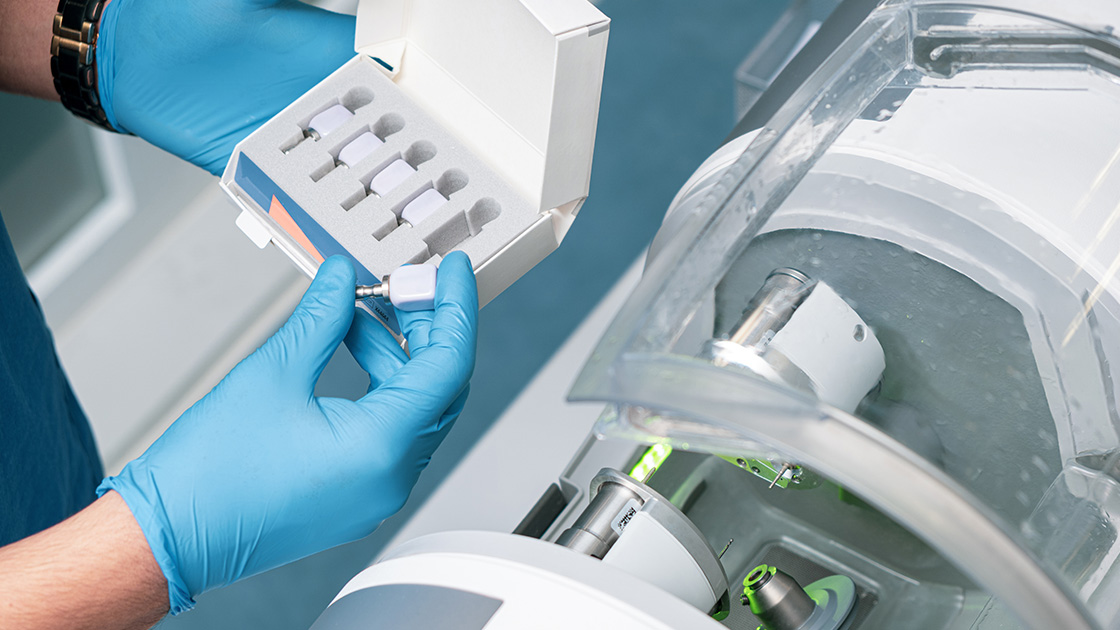
CAD/CAM stands for computer-aided design and computer-aided manufacturing, and at Family Dentistry of Yorktown it allows Dr. Jennifer Wachs, DDS, and Dr. Ken Wachs to create precisely shaped restorations such as inlays and onlays, crowns, and bridges. The process starts by preparing the tooth. A digital impression then transfers the exact dimensions of the prepared tooth to the computer, where software designs a virtual restoration to replace the missing or damaged structure. That design is sent to our CEREC milling unit, which carves the final piece from a solid block of ceramic or composite resin, with a Speedfire oven available to finish certain materials. After a careful check of fit and bite, the restoration is bonded or cemented into place. Patients throughout Northern Westchester get durable, natural-looking same-day restorations with fewer appointments.
Ask Dr. Jennifer Wachs whether a CEREC restoration fits your needs by calling Family Dentistry of Yorktown at 914-245-9881.
Same-Day Restorations and Improved Patient Comfort
One of the biggest advantages of CAD/CAM dentistry is the possibility of same-day treatment. With traditional methods, a patient typically needs at least two appointments spaced a few weeks apart, along with a temporary crown in between. CAD/CAM chairside systems can often complete the entire process in a single visit, which eliminates the temporary restoration stage altogether. Research published in the Journal of Prosthetic Dentistry and the International Journal of Computerized Dentistry has shown that digital impressions are generally as accurate as conventional impressions for single crowns and short-span restorations, and many patients find the scanning process more comfortable than biting down on impression trays. The American Dental Association also recognizes digital impression systems as an established standard of care in modern restorative dentistry.
Advanced Materials and Long-Term Durability
The materials used with CAD/CAM technology have come a long way, too. Modern milling blocks are typically made from lithium disilicate, zirconia, or advanced resin composites, all of which are well-studied for their strength and lifelike appearance. According to clinical survival data published in journals like the Journal of Dentistry and Clinical Oral Investigations, lithium disilicate and zirconia restorations show high survival rates well past five to ten years when placed properly. Because the restorations are milled from a single, uniform block, there are no weak spots from layering or firing errors that can sometimes occur with traditional lab-fabricated work. For patients, this translates to restorations that not only look like natural teeth, but also hold up well to everyday chewing over the long term.
